As information became readily available in the 2000s spam mail, spam forums, spam calls.... spam generally increased. We're seeing something similar where even the mediums we seek are spamming our attention with low quality, low density, and low aura content meant to consume, inspire, and amuse us.
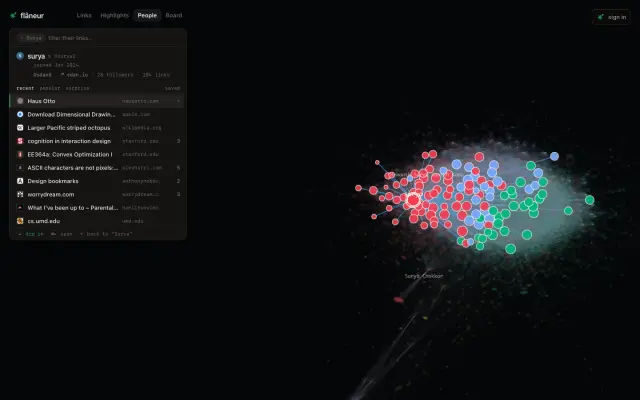
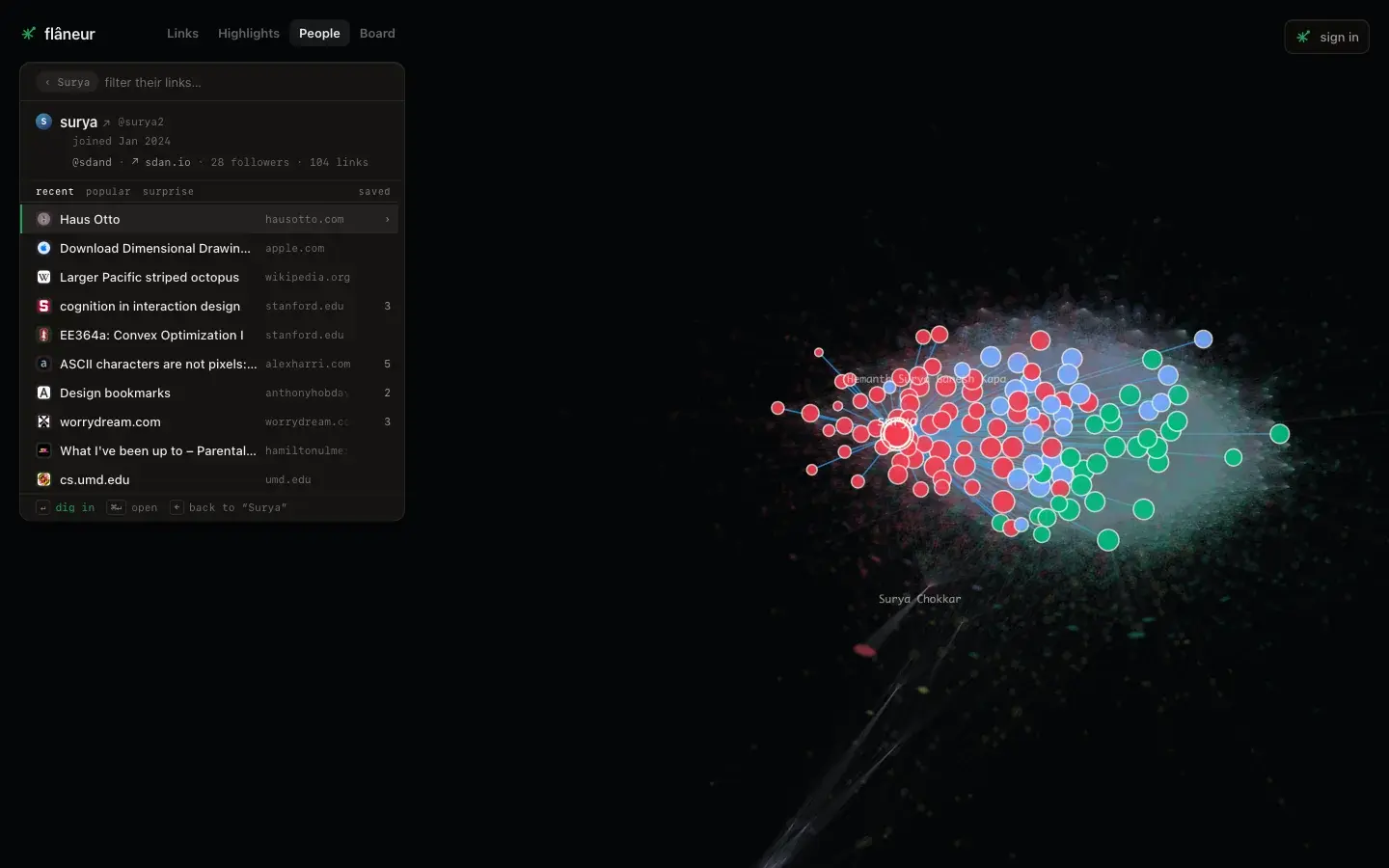
Curius is a bookmarking extension used by a few thousand people who (I believe) run the world.
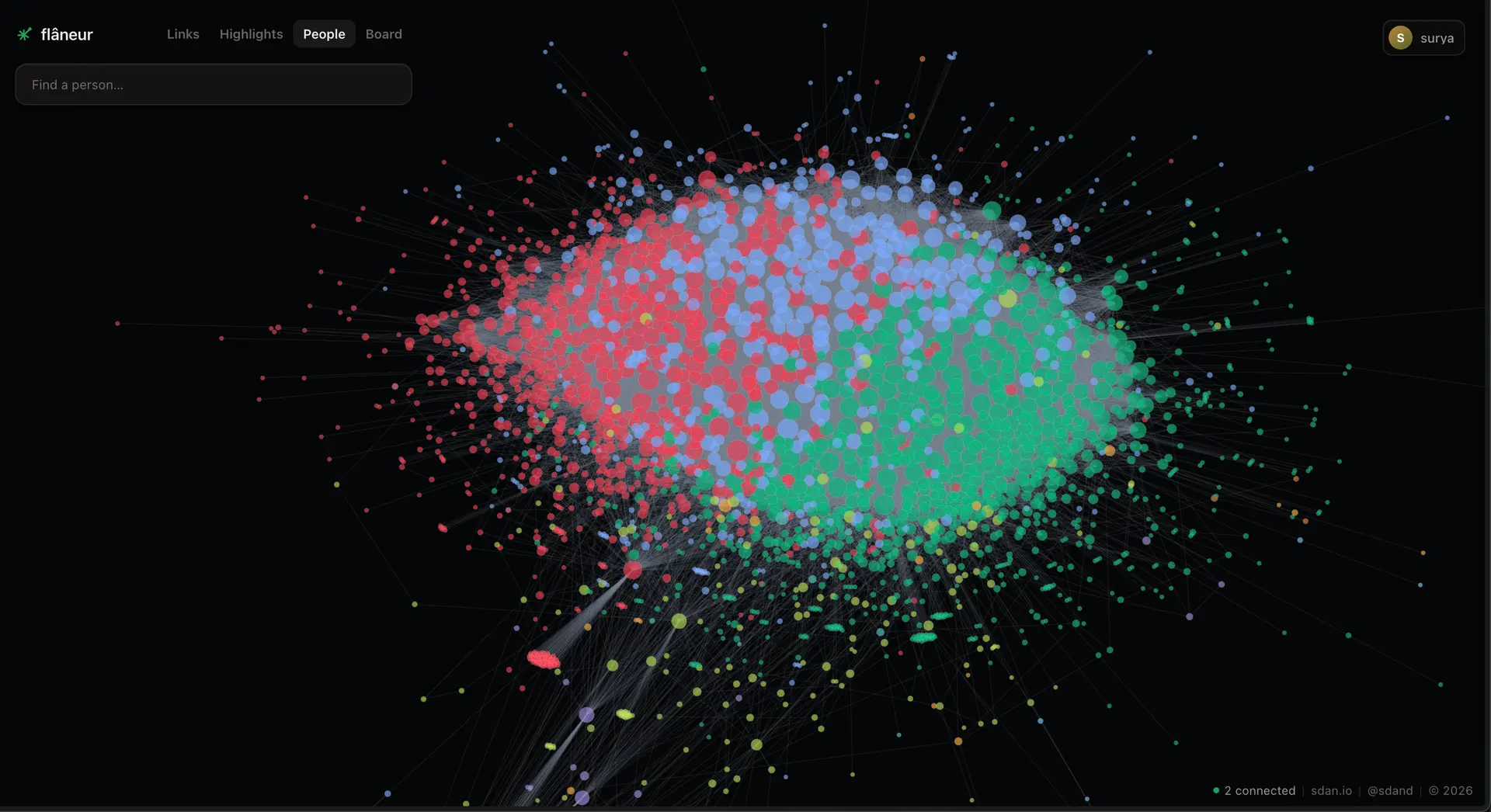
Curius is so well connected that amongst people who have 5 mutual followers half of their friends follow each other; compared to Twitter which is less than a quarter.
And if you follow someone on Curius theres a 46% chance they also follow you back compared to Twtiter's 42% and IG's 14.9%.
Curius is ~110,000 links a superset of 68k articles, 3.3k PDFs, and a tail of other links. Including 343k highlights--snippets typically within these links-- you'd find around 295 million words. Flaneur is a semantic search engine over this embedded corpus living in CF's Vectorize and using CF Workers AI with Qwen3 embeddings.
The idea here was to build a search engine that was dense enough with enough variety of ideas that even if we can't service your specific search query we can give you something pretty reasonably interesting to read; to fall into a rabbithole of human curated web of links.
Interfaces:
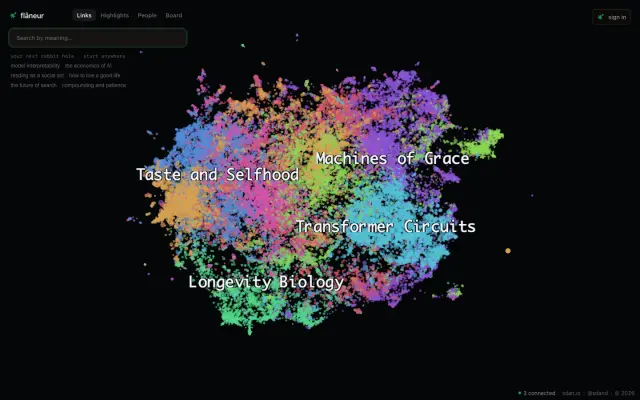
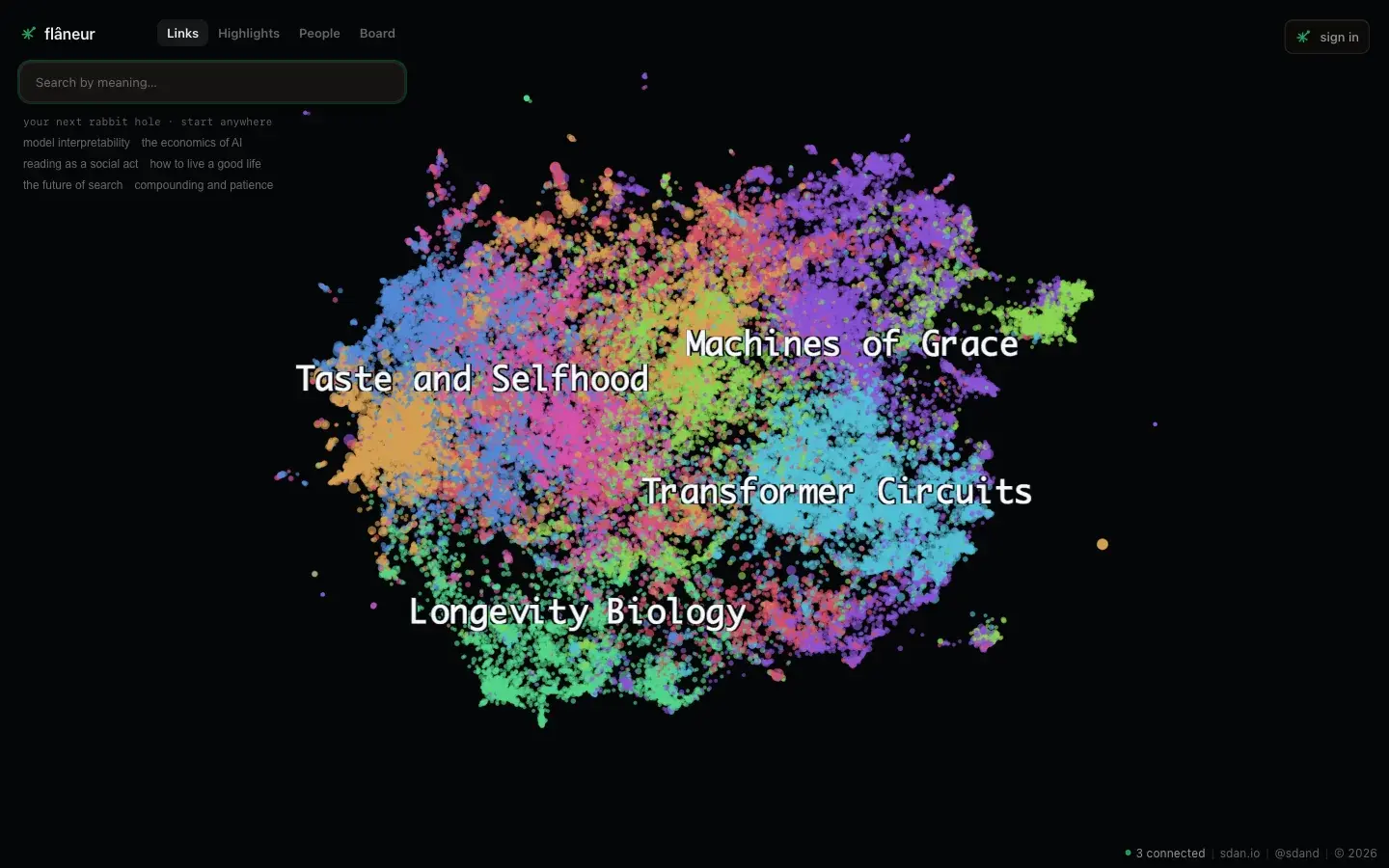
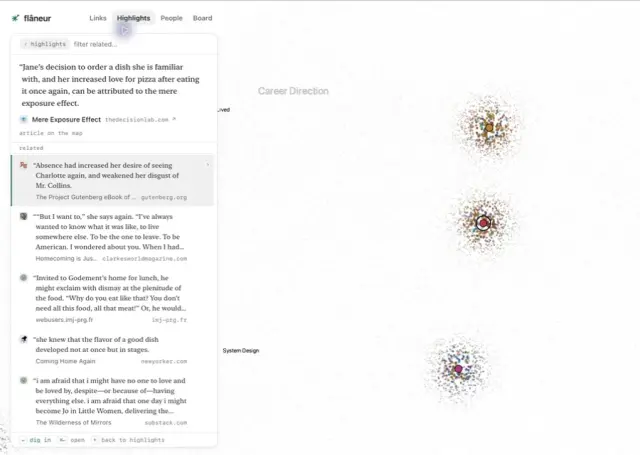
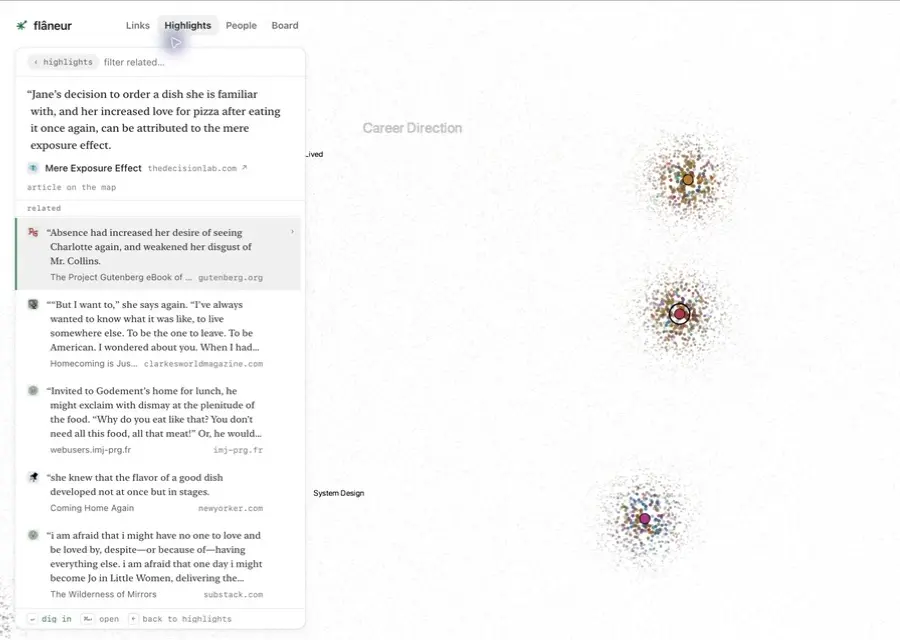
A (in hindsight) simple and "too-easy" interface to build is a (cliche?) umap embedding map where you smartly chunk a piece of content to fit within the context window of an embedding model, project it into the umap and show how semantically similar contepts are you. Visually this kind of makes sense; you can "browse" or float through
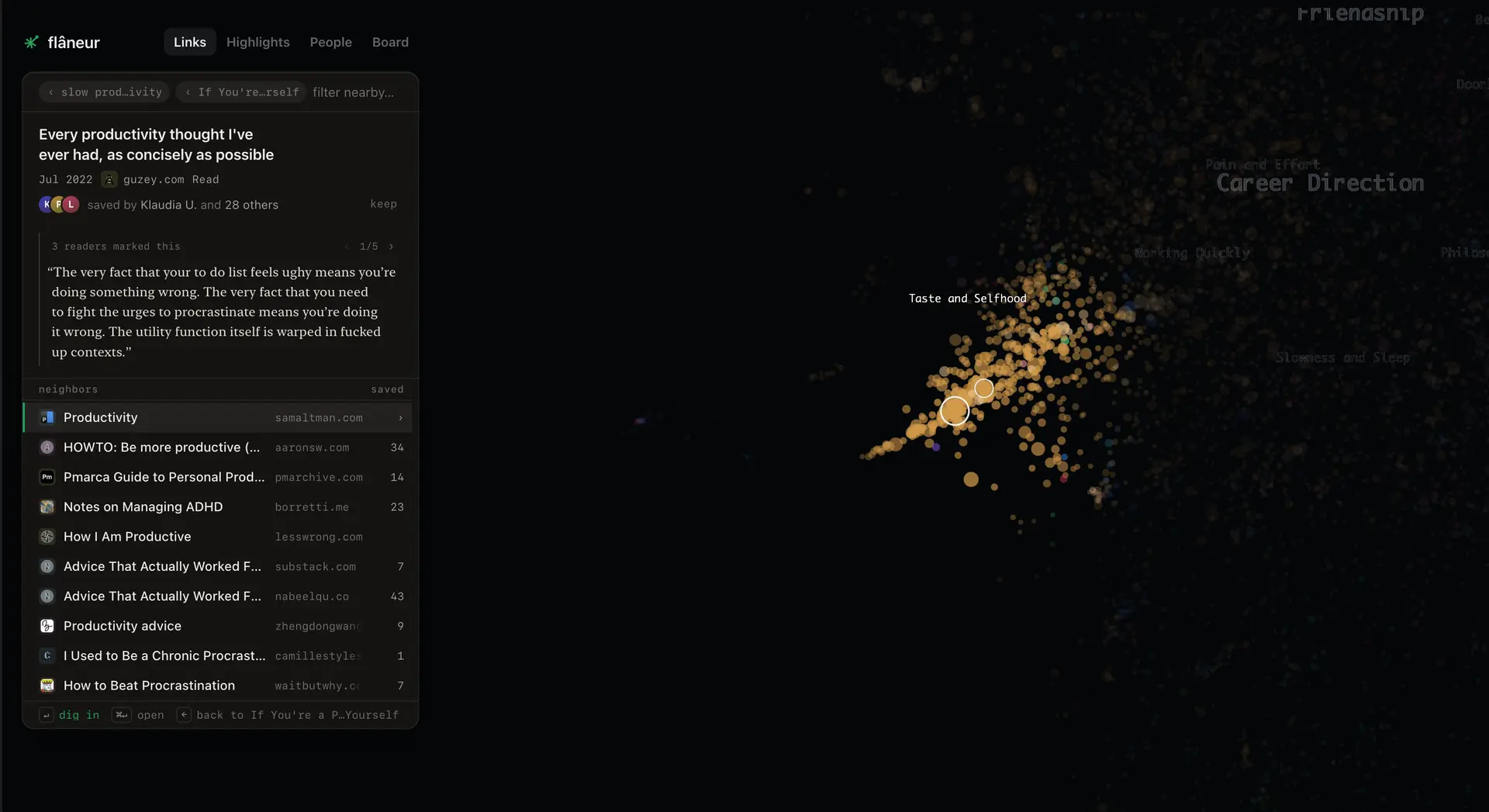
the space and click around
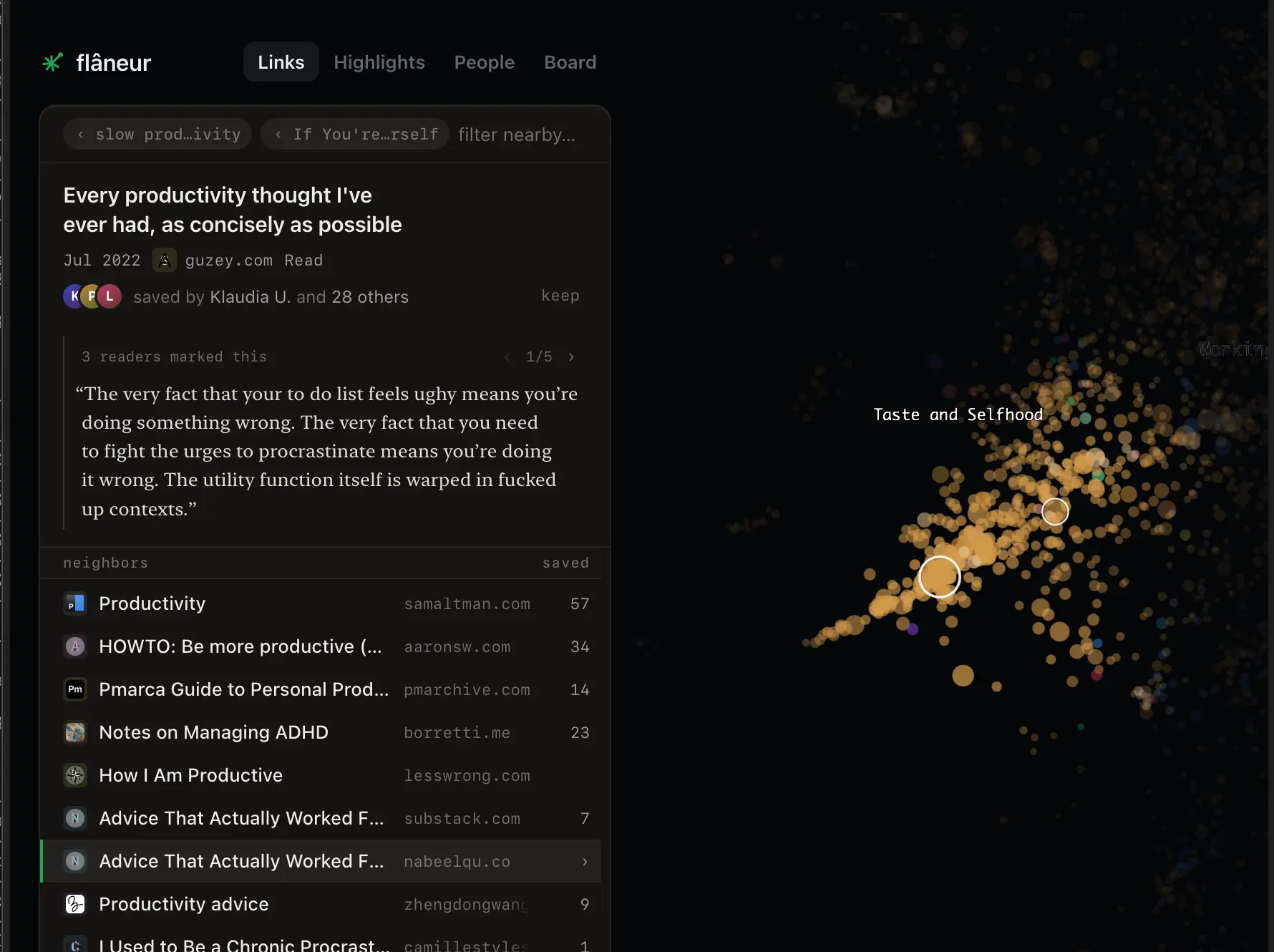
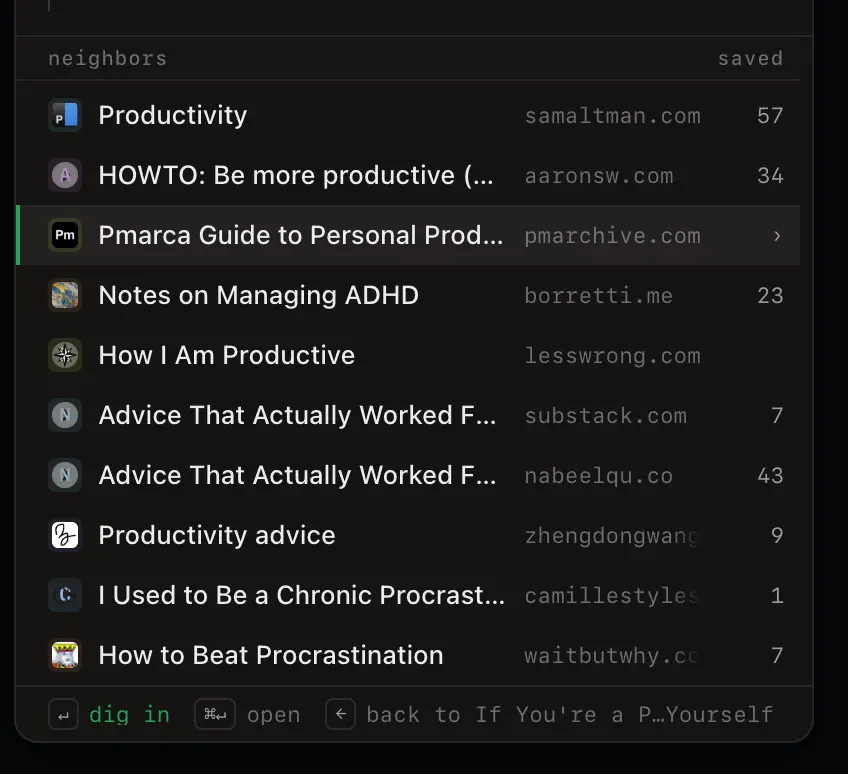
the way I went through this was with granularity on how you tactically interface with this interface. Like turning a knob with notches you should for instance -- if pressing the down arrow should visually see with a circle which thing is being highlighted.

You can then "dig in" by pressing enter and exploring that entire branch of articles.
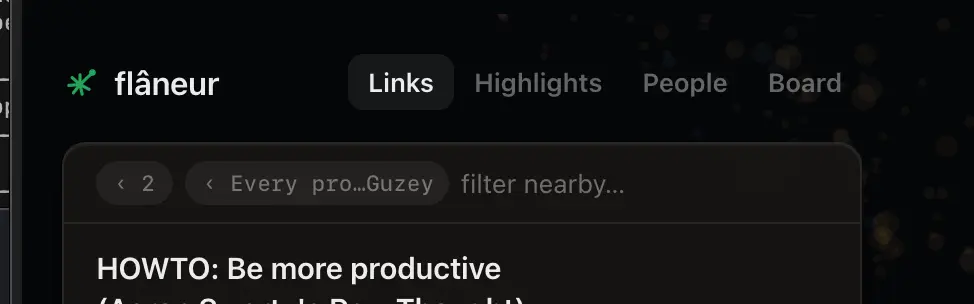
The reason we want to show your previous search queries either as pills or folded into the count pill is to give you awareness of recurrence such that you can easily "get out" of the rabbit hole.
Same.energy but for reading
The premise behind this interface was to let you or I really get into a rabbit hole. I've been a fan of the idea of same.energy;
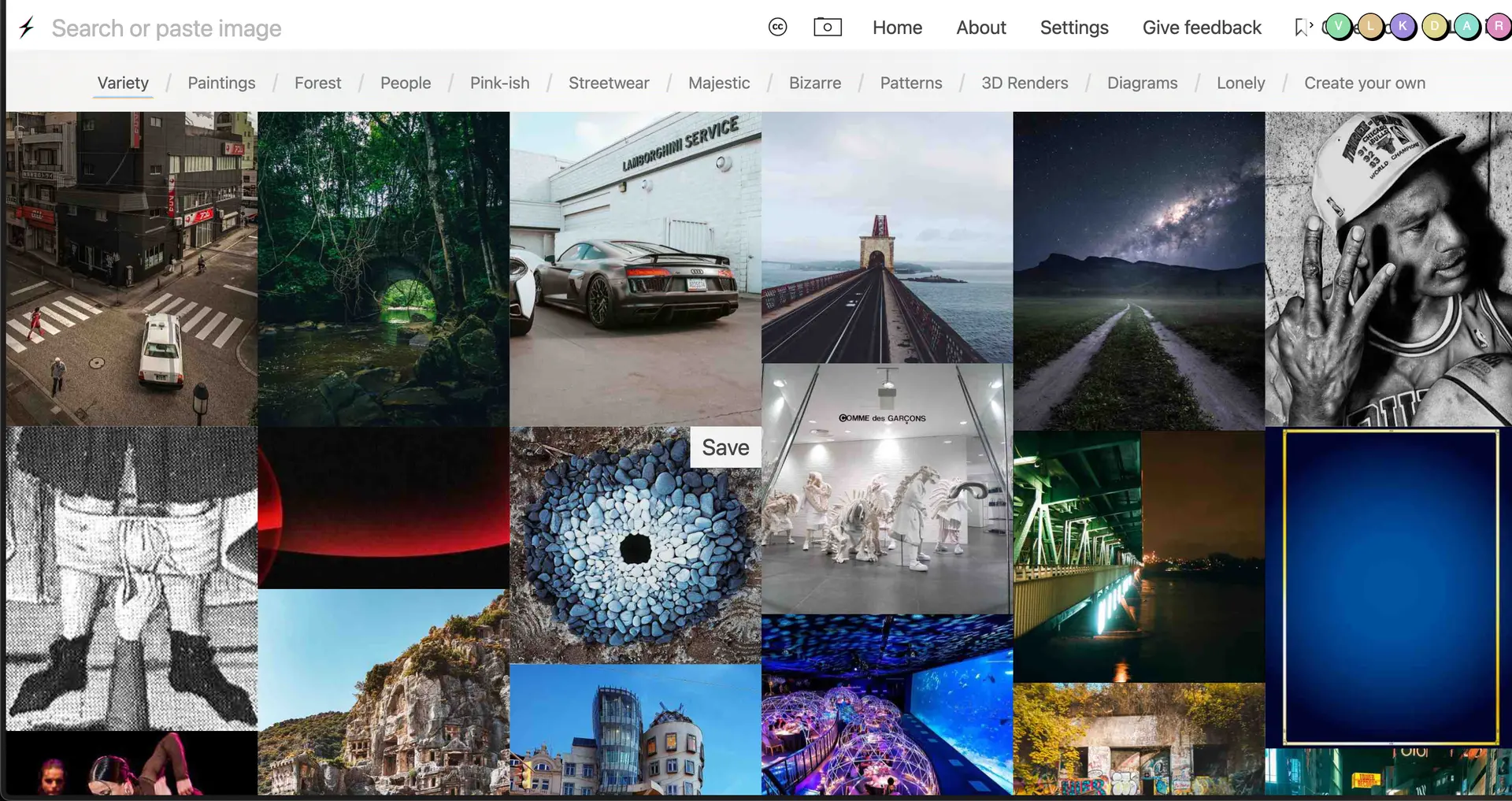
Its sort of like Pinterest but the interface is intuitively and brilliantly simple; all possible because of image embeddings. Ok well could you do something like this for reading? How should that look and feel like? My initial attempt was the above,
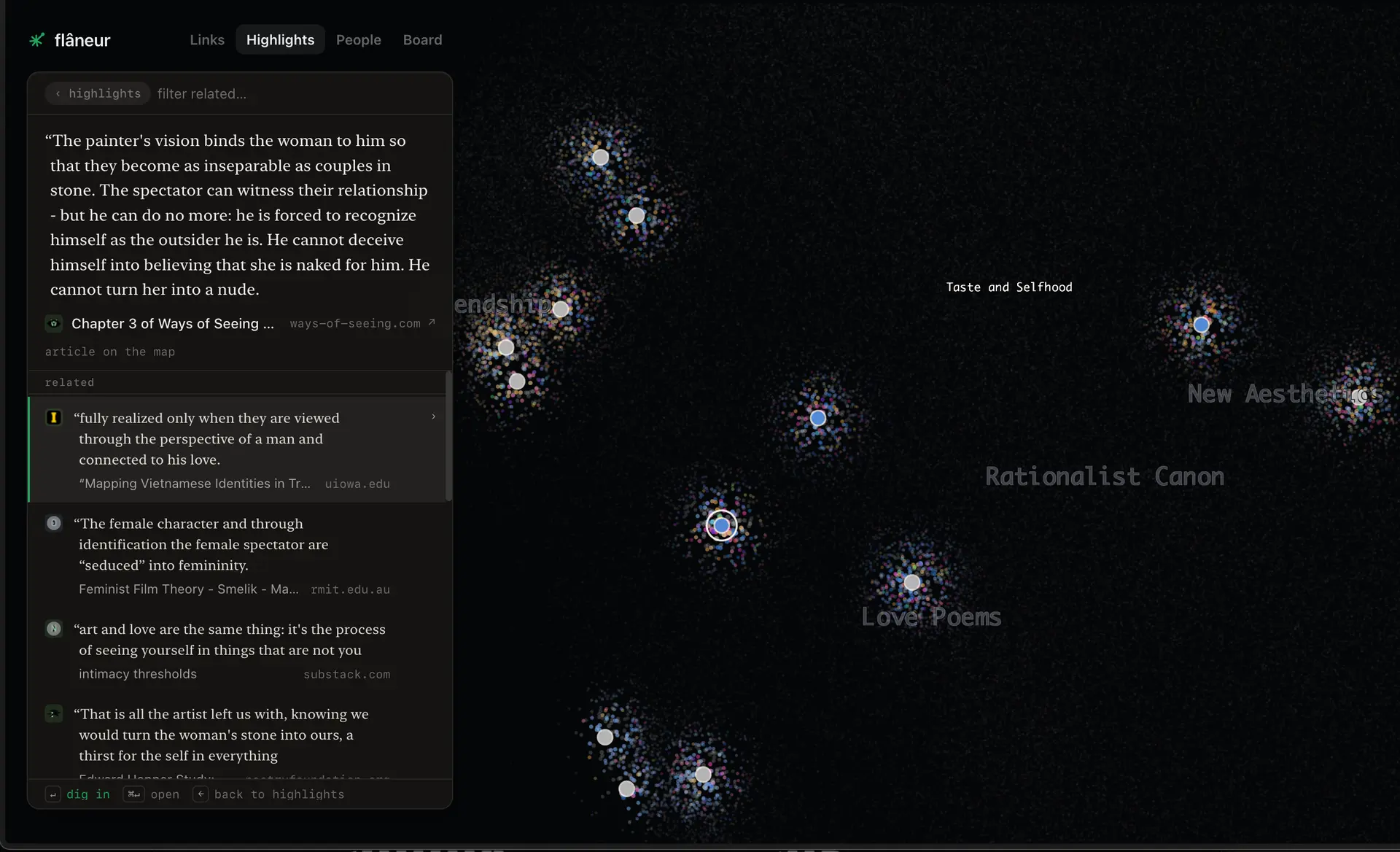
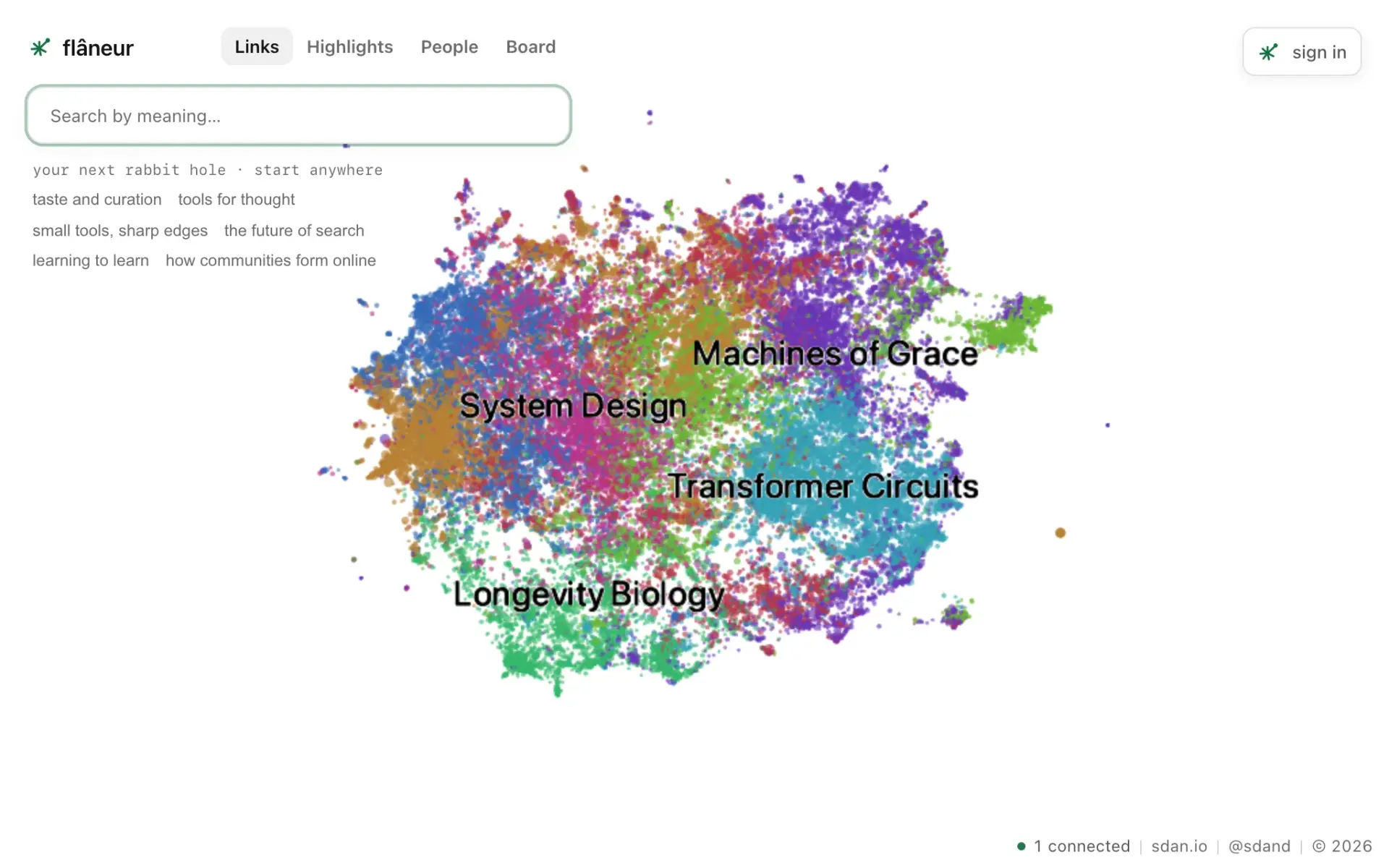
where you could surf through a map of labeled topics and ideas. I didn't really find myself using this interface simply because the UI didn't enable me to go down a rabbithole. Maybe to go down a rabbithole you need a !infinite scroll feed or what if you thought about this, horizontally?
Here you

are given a blank canvas with the option of bringing your own link and seeing it rendered as the LLM would see it -- what Cloudflare Browser Run's Scrape feature returns us--

and are able to re-read what we see. The reason to bring the article into this interface is to permeate the boundary of the article "living" on the internet but rather it is right there transcribed in front of you. You can

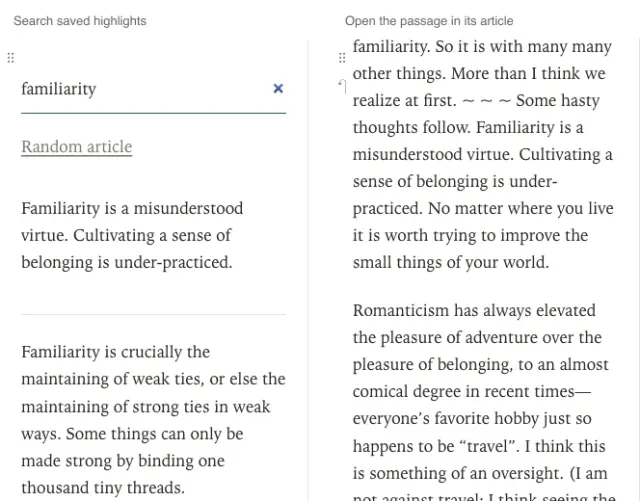
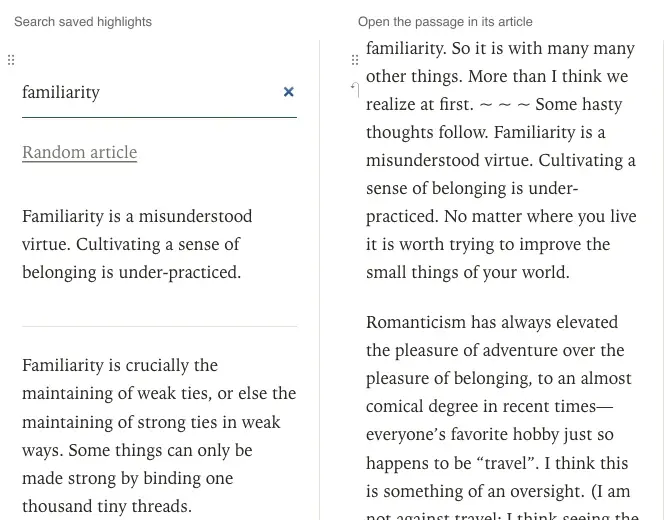
See the: Title, link(without reavealing the full link just enough which is the apex domain), and a small draggable handle shows up indicating and giving you the freedom to switch this column further down horizontally in the future. This gives the user a sense of "freedom" like this is a canvas and each column is an article and I can explore.
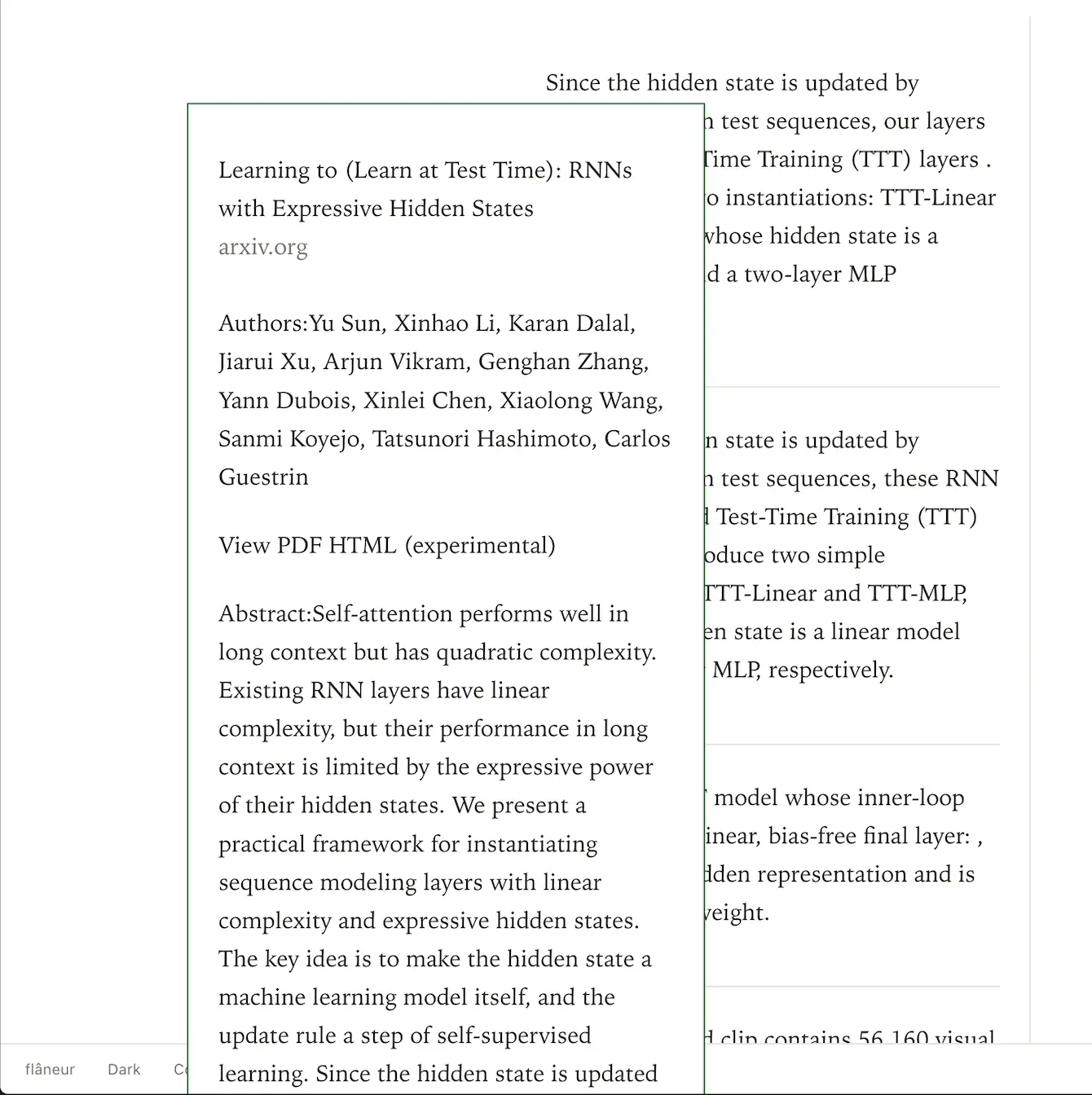
From then you can highlight specific sections youd want to further explore.
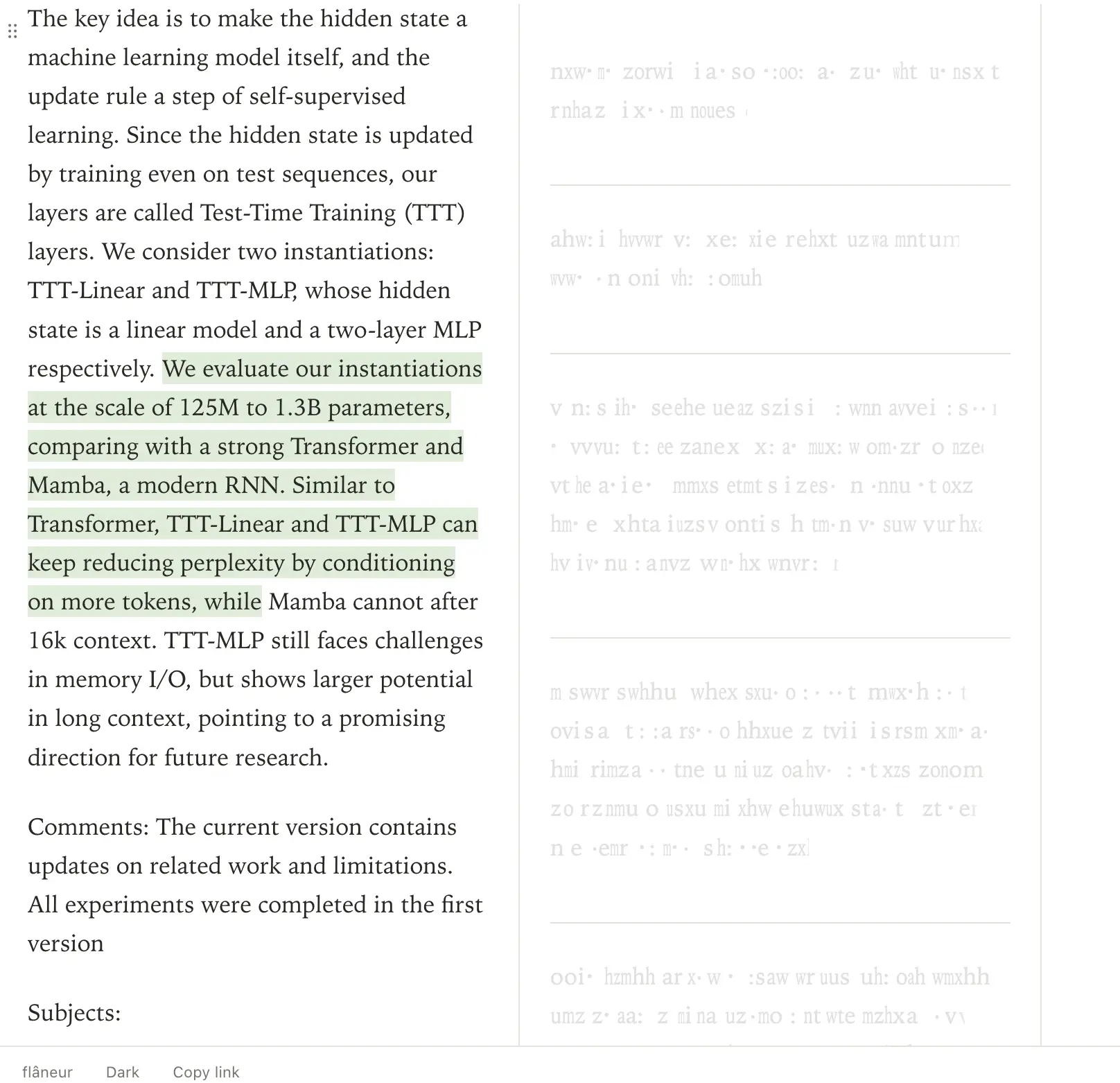
This renders a "diffusion" effect in the second (or subsequent) column with random lengths to perceive to the user that similar text is being brought in.
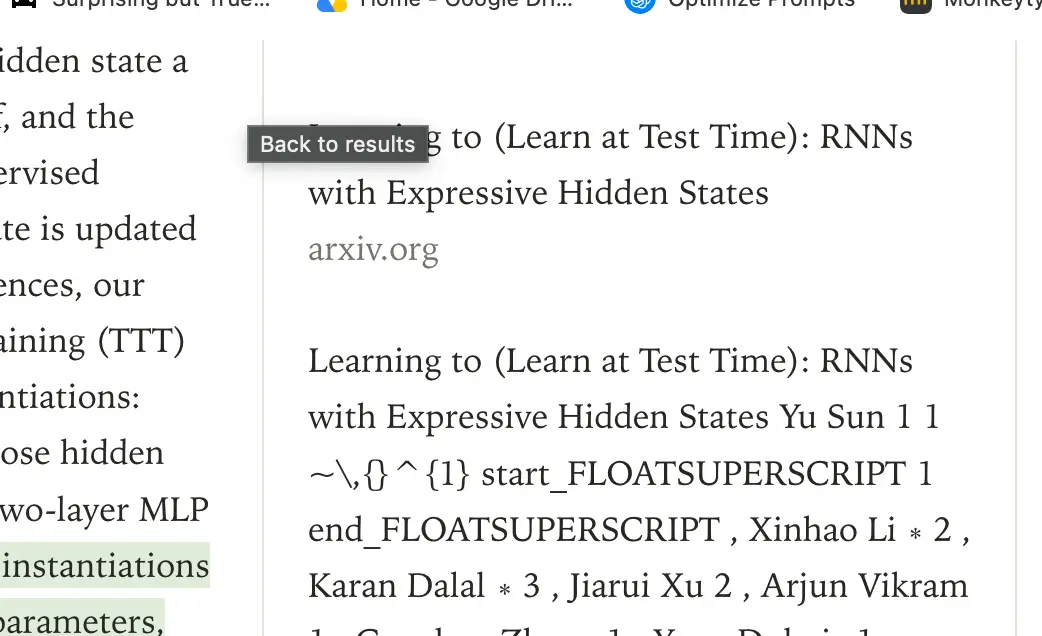
Critical here
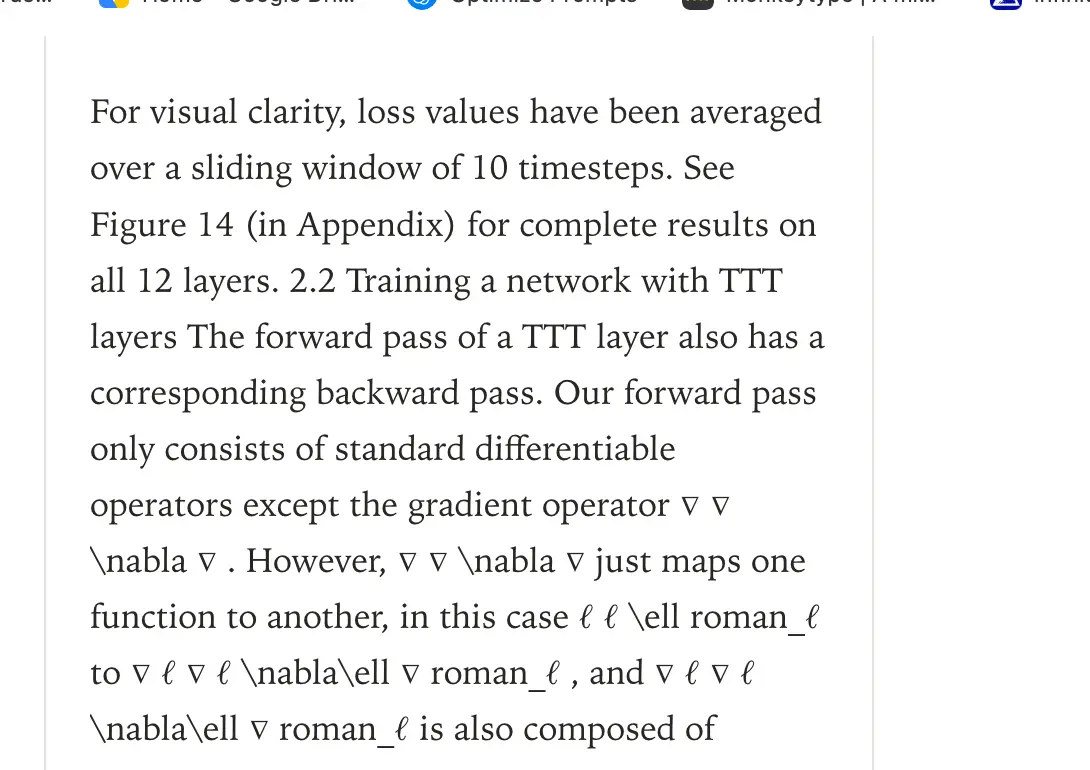
is reinforcing to the user that they can: Go back, drag around this column, and/or stretch the width of this column. Remember the idea here is to give as much freedom within the constraints of this interface that we want to put the user in.

A small yet valuable touch here is also to cache (via some complicated hashing that the coding agent made) the state of this in the link. What if the user wants to share their thought process or their rabbithole with someone else?